What Is Omega 3 and Why Does It Matter?
Omega 3 is a family of essential fatty acids — essential meaning your body cannot make them, so they have to come from your diet. The three that matter are EPA and DHA, found mainly in oily fish, and ALA, found in plant sources like flaxseed and walnuts.
Most Indian diets are low in EPA and DHA. Vegetarian diets contain almost none, and even regular fish eaters often fall short of the amounts used in research. That gap is why fish oil is one of the most widely taken supplements in the world, and the reason it belongs in a cupboard alongside protein and a multivitamin rather than being treated as an optional extra.
EPA, DHA and ALA: The Three Omega 3s
-
EPA (eicosapentaenoic acid) — the omega 3 most associated with the body's inflammatory response, and with recovery after hard training.
-
DHA (docosahexaenoic acid) — a structural component of the brain, nervous system and retina.
-
ALA (alpha-linolenic acid) — the plant-based omega 3. The body converts a little of it into EPA and DHA, but the conversion is inefficient, which is why fish oil or algal oil remains the direct route.
How to Read a Fish Oil Label
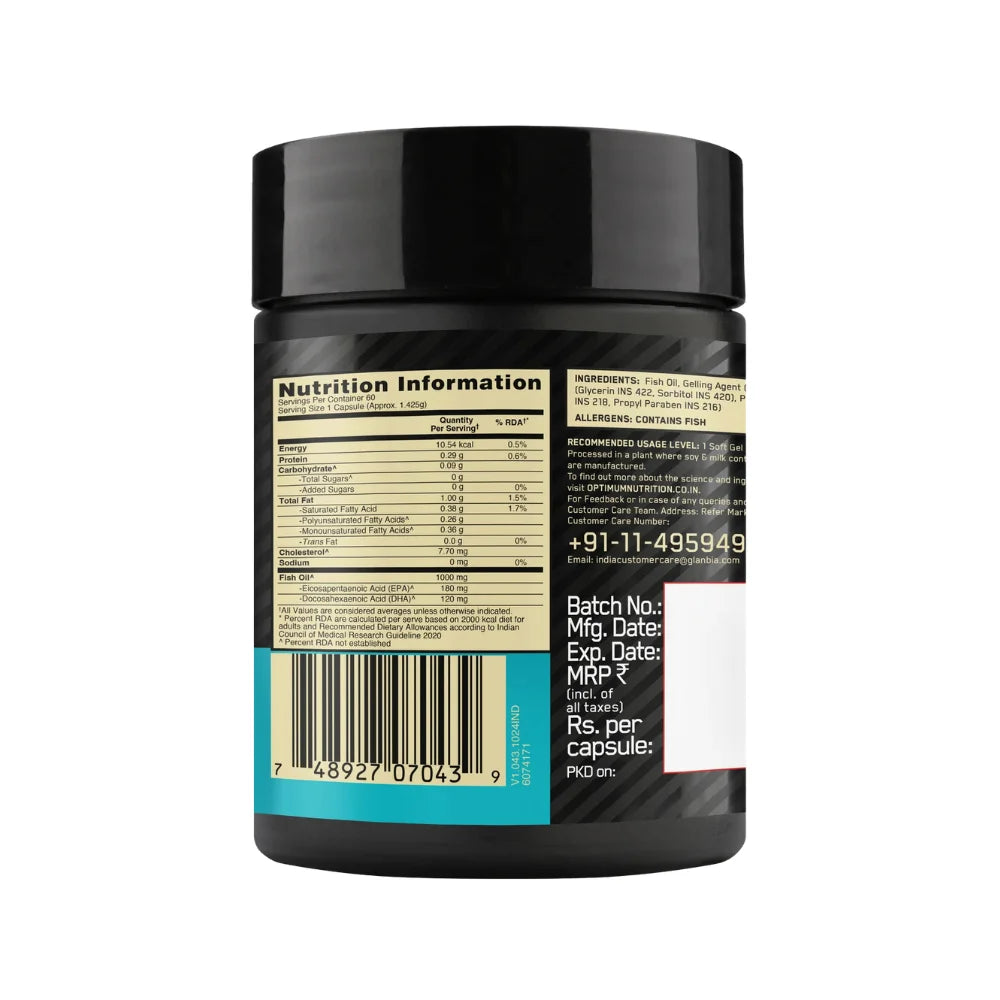
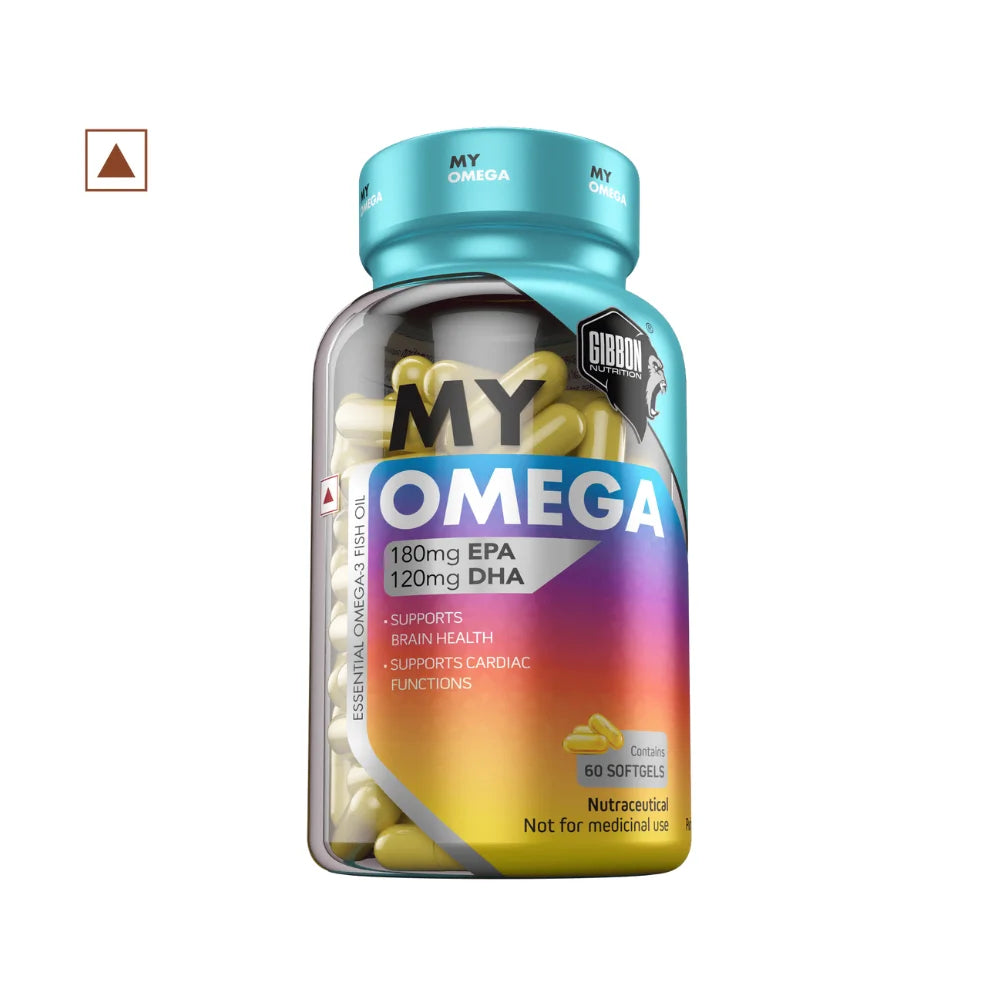
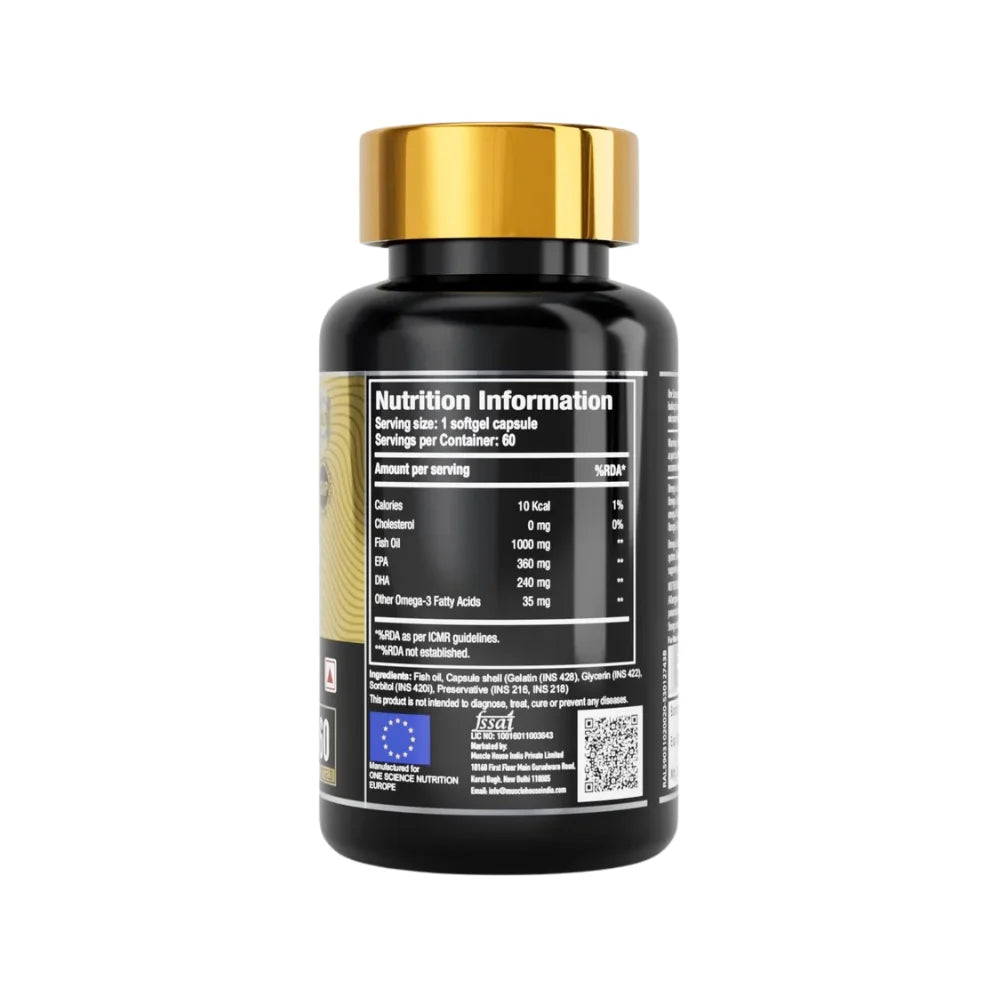
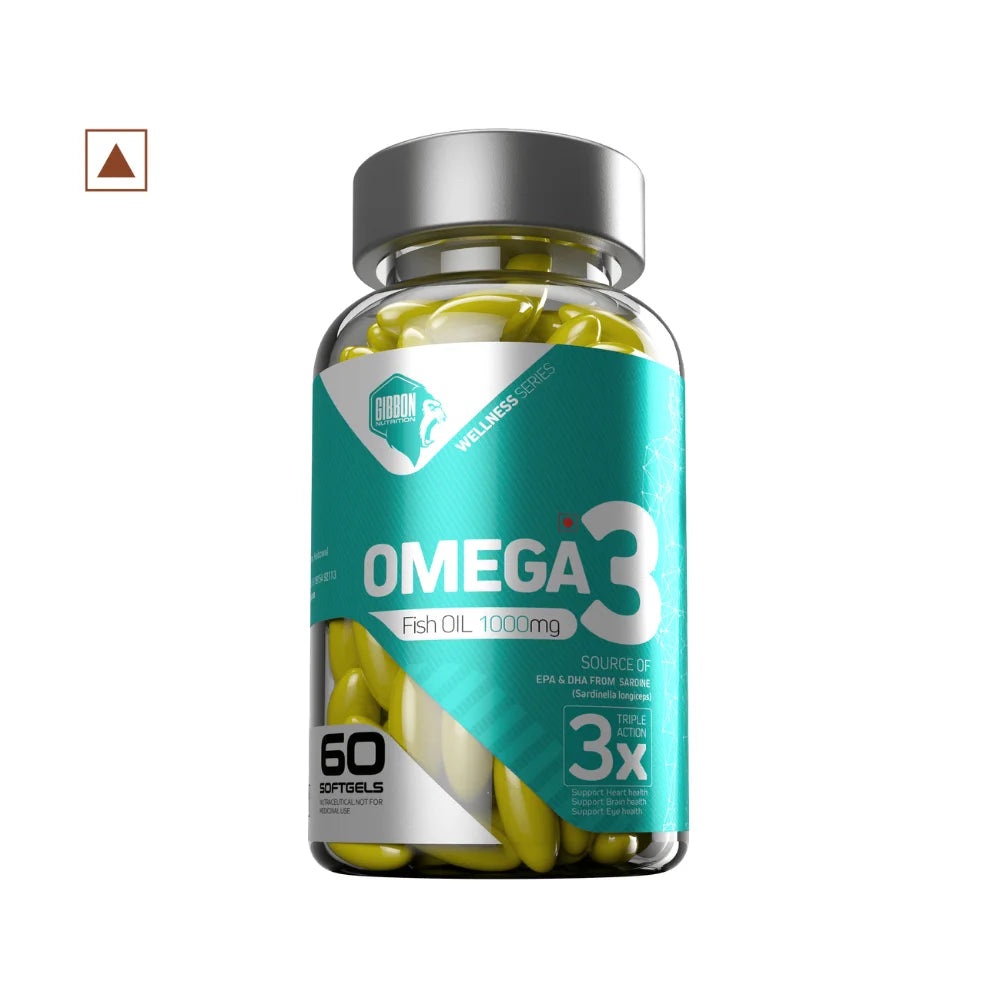
This is where most people buy badly. A capsule marked 1000mg is describing the weight of the oil, not the amount of omega 3 in it. A typical 1000mg fish oil capsule contains around 300mg of combined EPA and DHA — the rest is other fats.
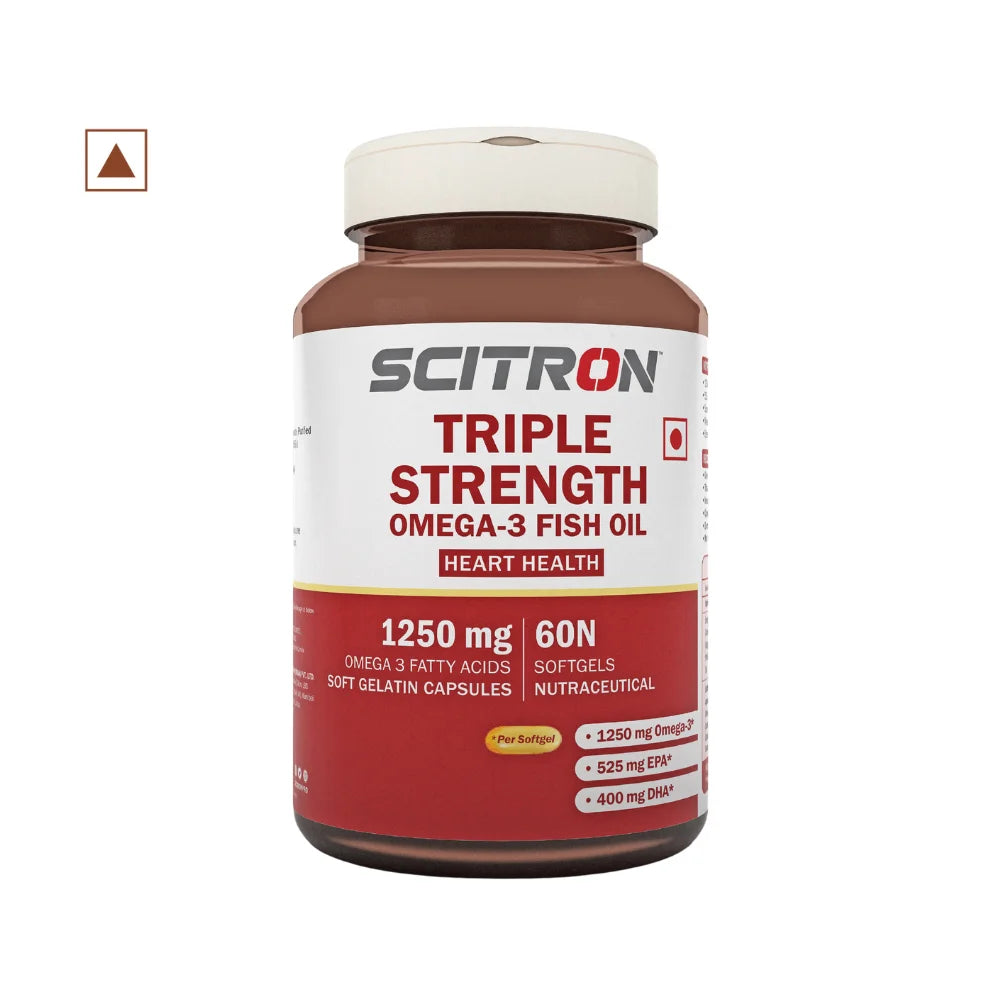
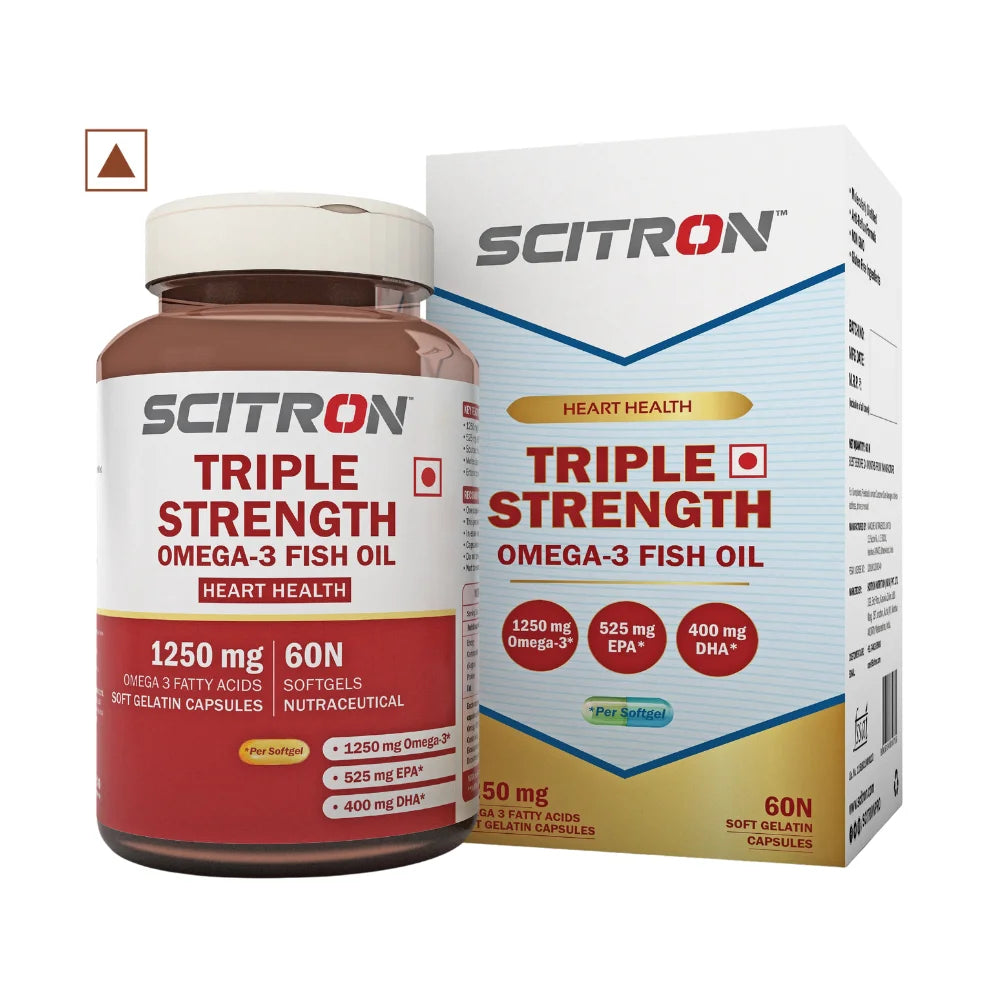
So the number worth comparing between products is not the capsule size. It is the EPA and DHA figures on the back panel. A "triple strength" capsule may carry two or three times the EPA and DHA of a standard one at the same capsule weight, which changes the real cost per serving considerably.
Omega 3 Benefits
-
Supports heart health as part of a balanced diet — one of the most extensively studied areas in nutrition research.
-
Supports brain function, with DHA forming a significant part of the brain's structural fat.
-
Supports joint comfort, which is why fish oil is common among people training hard or regularly.
-
Helps balance a modern diet that tends to be high in omega 6 and low in omega 3.
-
Supports eye health, DHA being concentrated in the retina.
Fish oil works quietly and over time. It is not a supplement you feel working in a session the way you might a pre-workout, and consistency over months matters far more than any single dose.
Omega 3 Dosage
General health guidance commonly cites 250mg to 500mg of combined EPA and DHA per day for adults. People training heavily, or those eating little to no fish, often take more — around 1000mg of combined EPA and DHA daily is a frequently used figure.
Work it out from the EPA and DHA on the label, not the capsule weight. Depending on the product, hitting 1000mg may take one capsule or it may take three.
When and How to Take Fish Oil
Take omega 3 capsules with a meal containing some fat. These are fat-soluble nutrients and absorb better alongside food than on an empty stomach. Taking them with food also substantially reduces the fishy aftertaste people complain about.
Time of day does not matter much. Splitting a larger daily dose across two meals is easier on digestion than taking it all at once. If burps are a persistent problem, keeping the bottle in the fridge and taking capsules cold helps.
Choosing a Quality Fish Oil
-
Check EPA and DHA per serving, and note whether a serving is one capsule or more.
-
Look for molecular distillation or a purity statement. Fish accumulate heavy metals, and distillation is the process that removes them.
-
Check the serving count against the price. Cost per day is the number that matters, not cost per bottle.
-
Store it properly. Fish oil oxidises with heat and light. A cool, dark cupboard is fine; a sunny windowsill is not.
-
Mind the freshness. A strongly rancid smell on opening means the oil has oxidised and should be returned, not taken.
Side Effects and Precautions
Fish oil is well tolerated by most people at normal doses. The usual complaints are mild and easily managed.
- Fishy aftertaste or burps — take with food, or try a cold capsule.
- Mild digestive upset at higher doses — split the dose across meals.
- Omega 3 can affect blood clotting at high intakes. If you take blood-thinning medication, have a bleeding disorder, or have surgery scheduled, speak to your doctor first.
Anyone pregnant or breastfeeding, managing a medical condition, or under eighteen should check with a doctor or registered dietitian before starting. If you have a fish or shellfish allergy, algal oil is the vegetarian alternative that still supplies EPA and DHA directly.
Is Fish Oil Vegetarian?
Standard fish oil is not — it is derived from fish, and the softgel shell is usually gelatin. Vegetarians have two routes: algal oil, which supplies DHA and some EPA directly from the algae fish get it from in the first place, or flaxseed oil, which supplies ALA that the body converts inefficiently. Check the green or brown veg mark on each product page.
Top Omega 3 and Fish Oil Brands in India 2026
-
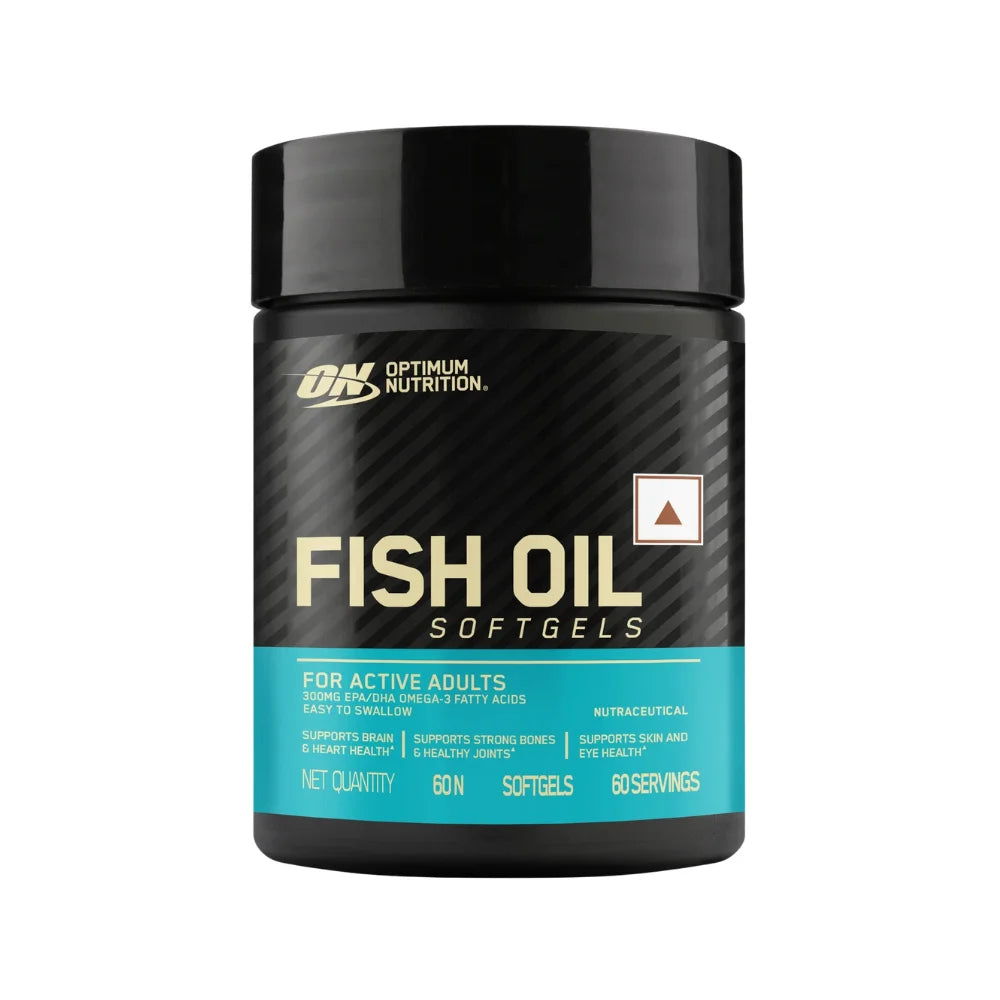
Optimum Nutrition — Fish Oil Softgels, an enteric-coated option from one of the best known names in sports nutrition
-
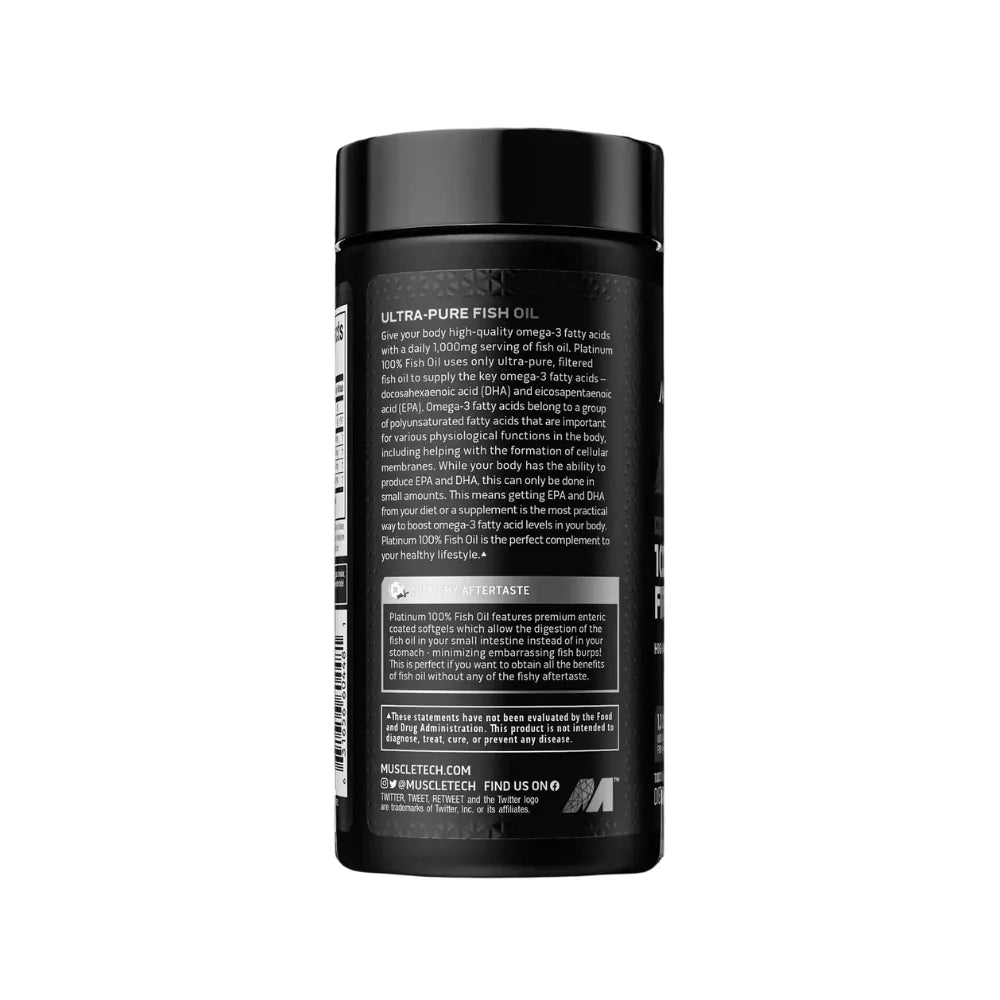
MuscleTech — Platinum 100% Omega Fish Oil
-
One Science Nutrition — Omega-3 Fish Oil and the Alaskan Fish Oil range
-
Scitron — Triple Strength Omega-3, for a higher EPA and DHA dose per capsule
-
Wellbeing Nutrition — Omega 3 Fish Oil 4x Strength
-
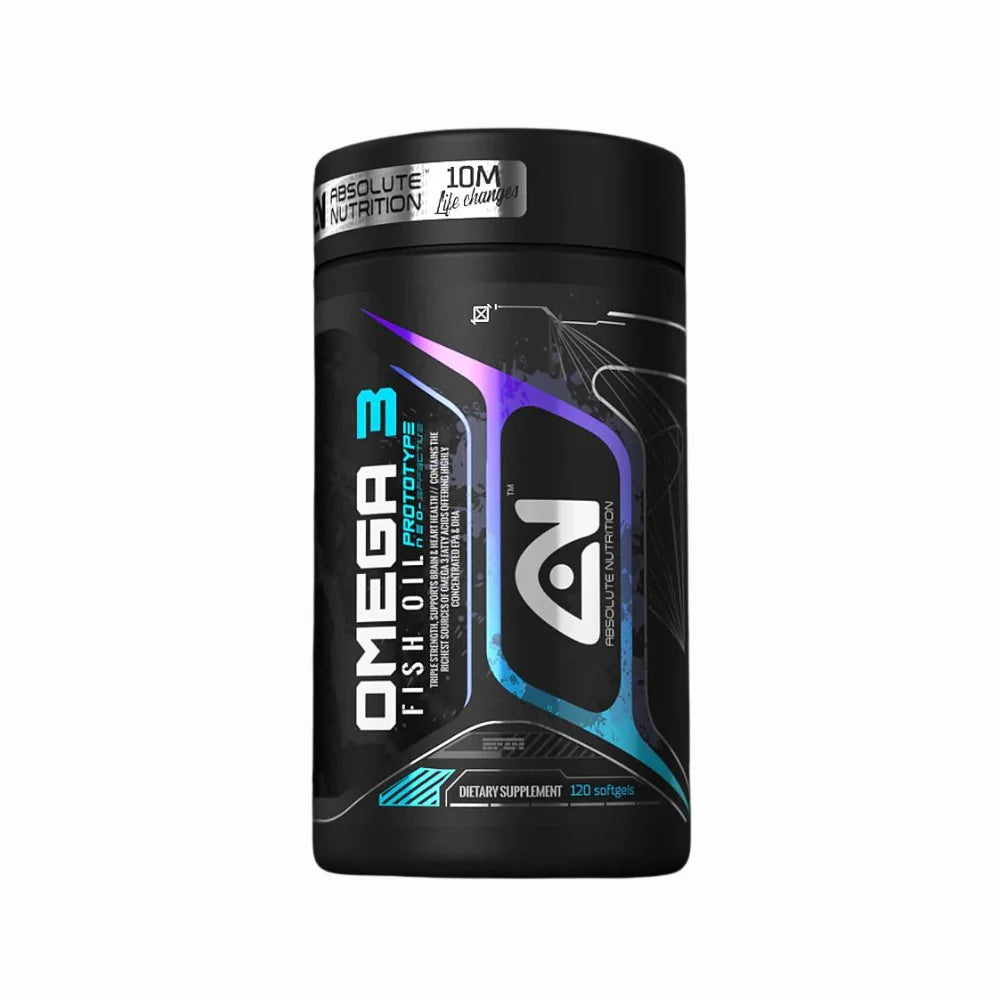
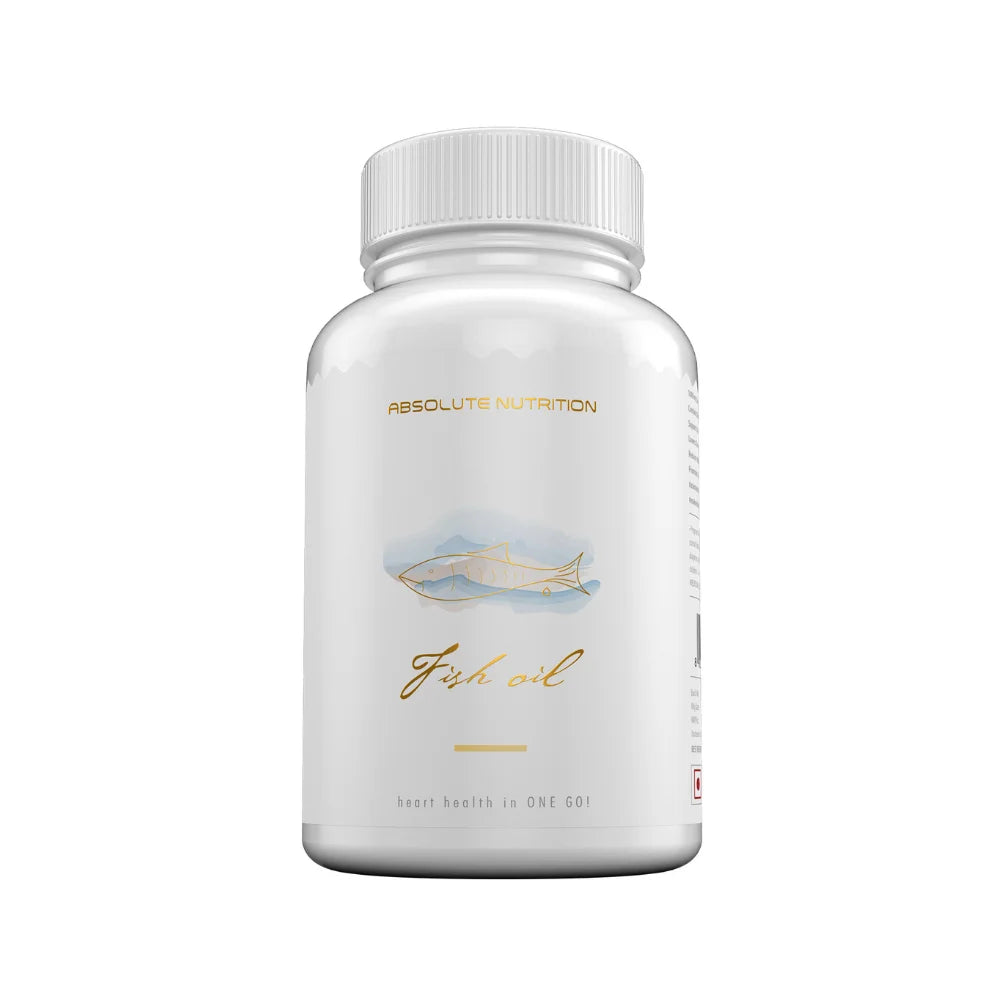
Absolute Nutrition — Omega-3 Fish Oil and Fish Oil 1000mg
-
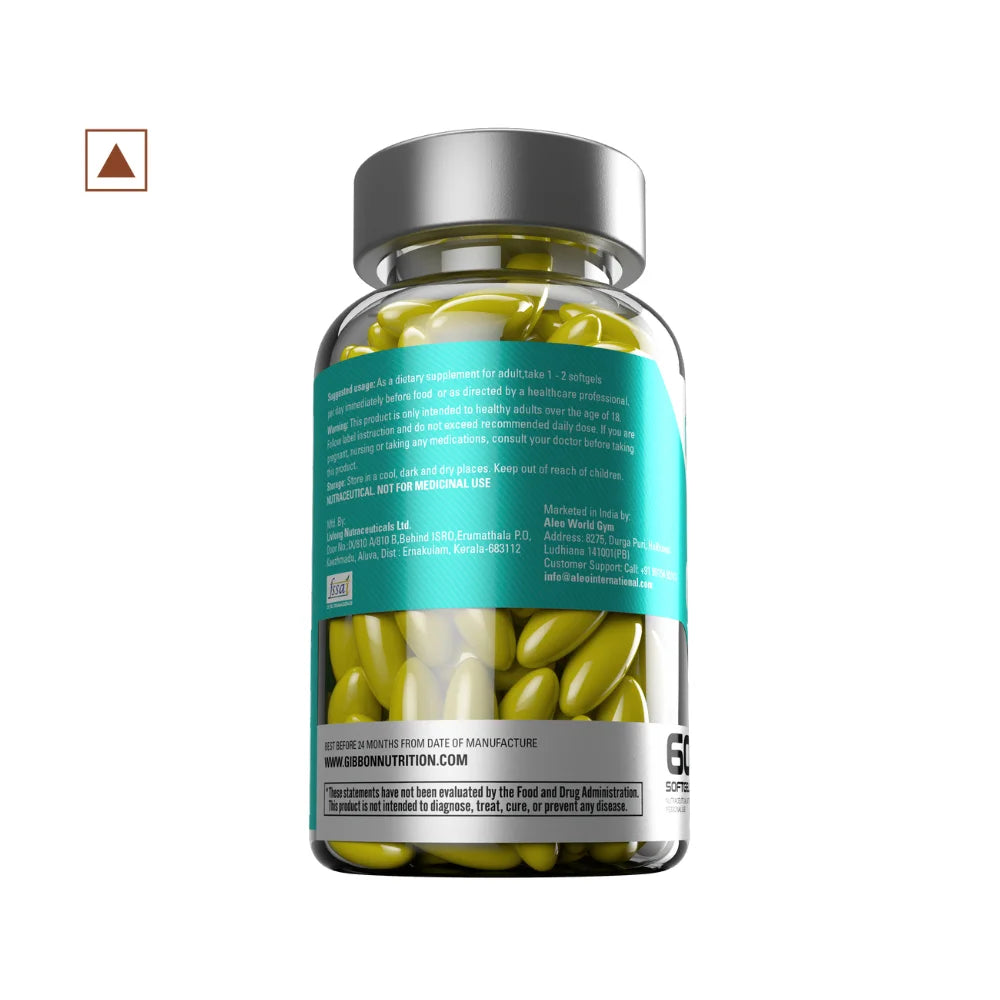
Repfuel Sports, Gibbon Nutrition, Big Muscles and Labrada — everyday options across a range of strengths
Why Buy Omega 3 Online from Nutriride
-
Sourced direct from the brand or its authorised distributor, shipped sealed in original packaging
-
Free delivery on every order, prepaid and cash on delivery alike
-
Standard and higher-strength options, so you can match the EPA and DHA dose you actually want
-
Help choosing, if you are unsure how two labels compare
Frequently Asked Questions (FAQs) — Omega 3
How much omega 3 should I take daily?
Commonly cited guidance is 250mg to 500mg of combined EPA and DHA per day for general health, with around 1000mg used by people training hard or eating little fish. Calculate from the EPA and DHA figures, not the capsule weight.
Is 1000mg fish oil the same as 1000mg omega 3?
No, and this is the most common misunderstanding. 1000mg is the oil weight. The omega 3 content is usually around 300mg of combined EPA and DHA, printed separately on the label.
Should I take fish oil with food?
Yes. Omega 3 is fat-soluble, so it absorbs better with a meal, and food reduces the fishy aftertaste considerably.
Can I take omega 3 with whey protein or a multivitamin?
Yes. They serve different purposes and are commonly taken together. Many multivitamins contain no omega 3 at all, so the two are complementary rather than overlapping.
How long before I notice anything?
Omega 3 is a long-game supplement. Blood levels build over weeks, and most of its studied effects relate to consistent intake over months rather than any immediate sensation.
What causes fish oil burps and how do I stop them?
They usually come from taking capsules on an empty stomach or from oil that has started to oxidise. Take them with a meal, keep the bottle cool and dark, and consider an enteric-coated product.
Is there a vegetarian omega 3?
Yes. Algal oil supplies DHA and some EPA directly and is suitable for vegetarians and vegans. Flaxseed-based products supply ALA, which the body converts into EPA and DHA only to a limited degree.